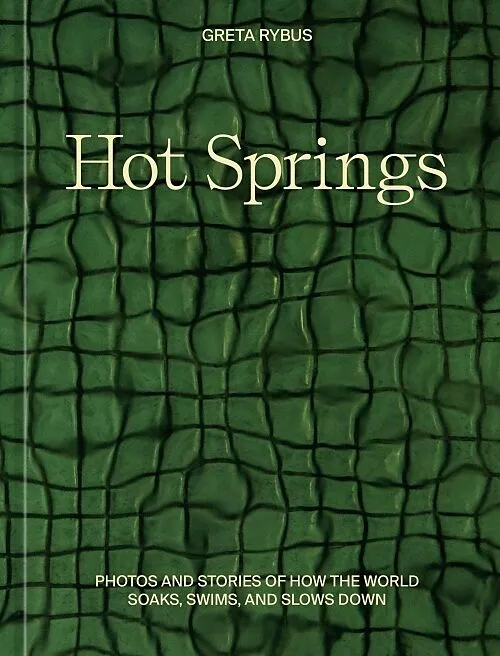
Hot Springs
Beschreibung
Informationen zum Autor Greta Rybus is a photojournalist based in Maine who specializes in documenting human experiences of the environment. Born in Idaho, she studied photojournalism and cultural anthropology at the University of Montana. She is an assignment...Format auswählen
- Fester EinbandCHF 31.60

Wird oft zusammen gekauft
Andere Kunden kauften auch
Beschreibung
Informationen zum Autor Greta Rybus is a photojournalist based in Maine who specializes in documenting human experiences of the environment. Born in Idaho, she studied photojournalism and cultural anthropology at the University of Montana. She is an assignment photographer for the New York Times , Travel + Leisure, The Guardian, and other magazines and newspapers. She is happiest when soaking in hot water, meeting new people, and exploring new places. Klappentext Immerse yourself in hot springs from around the world in this stunning visual adventure that features photographs and stories of the unique topographies, regional uses, and cultural meanings of thermal baths. This book transports you to high mountains, remote islands, vast deserts, and the Arctic to soak in the ethereal beauty of natural hot springs. From sacred sites in India to municipal pools in Iceland and beyond, photojournalist Greta Rybus has traveled the world to document the warm, wild gathering places that have comforted the weary and adventurous for centuries. Each spring is unique, a reflection of not just its physical location but of the people who care for and enjoy it. Hot Springs guides you through breathtaking landscapes and offers intriguing insights on historical significance, proper etiquette, and the roles these springs have in their communities. You'll hear from bathers in Hungary and Japan about how hot baths are a consistent part of their wellness and social routines. You'll learn about a repatriated hot spring in South Africa and explore the power of communal ownership for locals in Alaska, Greenland, and Mexico. You'll read about a pool that Antony reportedly gave to Cleopatra and hot springs in Iceland still connected to an outlaw past. Greta's breathtaking photography transports you to more than two dozen worldwide locations while introducing you to the interconnected communities surrounding them. Hot Springs is your invitation to revel in the healing powers of water and its ability to connect us to ourselves, others, and the planet. Zusammenfassung Immerse yourself in hot springs from around the world in this stunning visual adventure that features photographs and stories of the unique topographies, regional uses, and cultural meanings of thermal baths. This book transports you to high mountains, remote islands, vast deserts, and the Arctic to soak in the ethereal beauty of natural hot springs. From sacred sites in India to municipal pools in Iceland and beyond, photojournalist Greta Rybus has traveled the world to document the warm, wild gathering places that have comforted the weary and adventurous for centuries. Each spring is unique, a reflection of not just its physical location but of the people who care for and enjoy it. Hot Springs guides you through breathtaking landscapes and offers intriguing insights on historical significance, proper etiquette, and the roles these springs have in their communities. You'll hear from bathers in Hungary and Japan about how hot baths are a consistent part of their wellness and social routines. You'll learn about a repatriated hot spring in South Africa and explore the power of communal ownership for locals in Alaska, Greenland, and Mexico. You'll read about a pool that Antony reportedly gave to Cleopatra and hot springs in Iceland still connected to an outlaw past. Greta's breathtaking photography transports you to more than two dozen worldwide locations while introducing you to the interconnected communities surrounding them. Hot Springs is your invitation to revel in the healing powers of water and its ability to connect us to ourselves, others, and the planet....
Autorentext
Greta Rybus is a photojournalist based in Maine who specializes in documenting human experiences of the environment. Born in Idaho, she studied photojournalism and cultural anthropology at the University of Montana. She is an assignment photographer for the New York Times, Travel + Leisure, The Guardian, and other magazines and newspapers. She is happiest when soaking in hot water, meeting new people, and exploring new places.
Klappentext
Immerse yourself in hot springs from around the world in this stunning visual adventure that features photographs and stories of the unique topographies, regional uses, and cultural meanings of thermal baths.
This book transports you to high mountains, remote islands, vast deserts, and the Arctic to soak in the ethereal beauty of natural hot springs. From sacred sites in India to municipal pools in Iceland and beyond, photojournalist Greta Rybus has traveled the world to document the warm, wild gathering places that have comforted the weary and adventurous for centuries.
Each spring is unique, a reflection of not just its physical location but of the people who care for and enjoy it. Hot Springs guides you through breathtaking landscapes and offers intriguing insights on historical significance, proper etiquette, and the roles these springs have in their communities. You’ll hear from bathers in Hungary and Japan about how hot baths are a consistent part of their wellness and social routines. You’ll learn about a repatriated hot spring in South Africa and explore the power of communal ownership for locals in Alaska, Greenland, and Mexico. You’ll read about a pool that Antony reportedly gave to Cleopatra and hot springs in Iceland still connected to an outlaw past.
Greta’s breathtaking photography transports you to more than two dozen worldwide locations while introducing you to the interconnected communities surrounding them. Hot Springs is your invitation to revel in the healing powers of water and its ability to connect us to ourselves, others, and the planet.
Leseprobe
**Introduction
For the Love of Hot Water**
The world’s first official national park was made because of hot water. Awestruck by the wonder of natural springs and geysers, President Ulysses S. Grant signed an act to establish Yellowstone National Park in 1872. It was the first major action by the US government to protect and recognize the importance of nature and its connection to people. My ancestors, who settled in Montana’s Madison Valley in the 1860s, visited the park as a family in 1873, first by wagon and then on horseback. We have journals from their visit, testimonies of wonder and fearsome awe: “It holds one spellbound . . . it is so busy and spiteful that it is much admired. . . . Wonderful in the full sense of the term. I do not consider myself competent to describe any of the views we find. Anyone who knows how grand and beautiful they are, must see for themselves.”
A reverence for the outdoors and a sense of adventure have continued to shape our family’s pastimes. Hot springs were usually a part of our family trips when I was growing up. We’d hike into wild springs or take a soak after backcountry skiing. I learned to swim in a hot springs pool, my arms stuffed into water wings. One time, on a road trip across Utah, my hair turned copper red from the iron content in a hot spring. I grew up in a culture of outdoorsiness: we spent school breaks on long trips bicycle touring, kayaking, backpacking, or skiing. The hot springs were my first experiences in nature where we did nothing but rest. At home, I found comfort in a hot bath. When I had a headache or heartache, I’d spend hours in our claw-foot tub.
My parents, both schoolteachers, moved our family of three overseas when they accepted jobs in international education systems. When I was fourteen, we moved to rural northern Japan, where the hot bath culture became a part of our weekly routine. We’d walk past farmland into our neighboring community, with a little pail for our towels and soaps. We’d scrub and shampoo ourselves next to elders, teens, and mothers with their children, our voices hushed in the…