
IHR WARENKORB IST AKTUELL LEER.
Haben Sie noch nichts passendes gefunden? Stöbern Sie durch unser komplettes Sortiment.
Oder melden Sie sich an bzw. registrieren Sie sich.
- Kostenlose Lieferung
- Kauf auf Rechnung
- Ex Libris Tiefpreis
- Filiallieferung und 650+ Abholorte
- Rabatt-Bons als Club-Mitglied
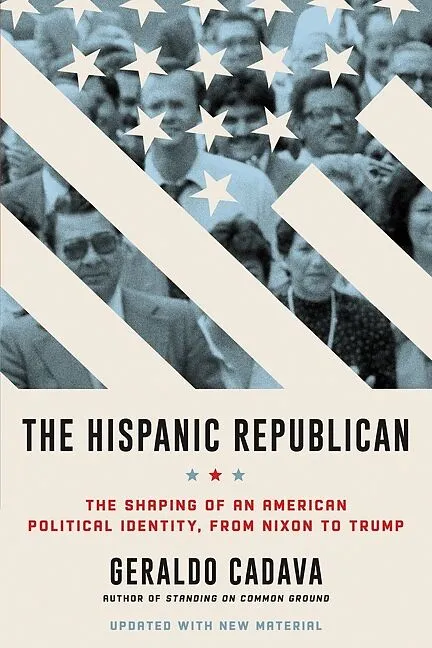
The Hispanic Republican
Beschreibung
Informationen zum Autor Geraldo Cadava is an associate professor of history and Latina and Latino studies at Northwestern University. He is the author of Standing on Common Ground . Klappentext An illuminating and thought-provoking history of the growth of His...Format auswählen
- Kartonierter EinbandCHF 21.10

Wird oft zusammen gekauft
Andere Kunden kauften auch
Beschreibung
Informationen zum Autor Geraldo Cadava is an associate professor of history and Latina and Latino studies at Northwestern University. He is the author of Standing on Common Ground . Klappentext An illuminating and thought-provoking history of the growth of Hispanic American Republican voters in the past half century and their surprising impact on US politics, updated with new material reflecting on the 2020 election In the lead-up to every election cycle, pundits predict that Latino Americans will overwhelmingly vote in favor of the Democratic candidate. And it's true?Latino voters do tilt Democratic. Hillary Clinton won the Latino vote in a ?landslide,? Barack Obama ?crushed? Mitt Romney among Latino voters in his reelection, and, four years earlier, the Democratic ticket beat the McCain-Palin ticket by a margin of more than two to one. But those numbers belie a more complicated picture. Because of decades of investment and political courtship, as well as a nuanced and varied cultural identity, the Republican party has had a much longer and stronger bond with Hispanics. How is this possible for a party so associated with draconian immigration and racial policies? In The Hispanic Republican, historian and political commentator Geraldo Cadava illuminates the history of the millions of Hispanic Republicans who, since the 1960s, have had a significant impact on national politics. Intertwining the little understood history of Hispanic Americans with a cultural study of how post?World War II Republican politicians actively courted the Hispanic vote during the Cold War (especially Cuban émigrés) and during periods of major strife in Central America (especially during Iran-Contra), Cadava offers insight into the complicated dynamic between Latino liberalism and conservatism, which, when studied together, shine a crucial light on a rapidly changing demographic that will impact American elections for years to come. Zusammenfassung An illuminating and thought-provoking history of the growth of Hispanic American Republican voters in the past half century and their surprising impact on US politics, updated with new material reflecting on the 2020 election In the lead-up to every election cycle, pundits predict that Latino Americans will overwhelmingly vote in favor of the Democratic candidate. And it's trueLatino voters do tilt Democratic. Hillary Clinton won the Latino vote in a landslide, Barack Obama crushed Mitt Romney among Latino voters in his reelection, and, four years earlier, the Democratic ticket beat the McCain-Palin ticket by a margin of more than two to one. But those numbers belie a more complicated picture. Because of decades of investment and political courtship, as well as a nuanced and varied cultural identity, the Republican party has had a much longer and stronger bond with Hispanics. How is this possible for a party so associated with draconian immigration and racial policies? In The Hispanic Republican , historian and political commentator Geraldo Cadava illuminates the history of the millions of Hispanic Republicans who, since the 1960s, have had a significant impact on national politics. Intertwining the little understood history of Hispanic Americans with a cultural study of how postWorld War II Republican politicians actively courted the Hispanic vote during the Cold War (especially Cuban émigrés) and during periods of major strife in Central America (especially during Iran-Contra), Cadava offers insight into the complicated dynamic between Latino liberalism and conservatism, which, when studied together, shine a crucial light on a rapidly changing demographic that will impact American elections for years to come. ...
“Geraldo Cadava offers a fascinating examination of the socioeconomic interests and foreign policy concerns that have drawn Hispanics/Latinos into a rapidly changing Republican Party. If readers harbor the mistaken idea that Hispanics are a monolithic voting bloc, this book should dispel this idea once and for all. Though the work is written for a general audience, even experts on Hispanic politics and voting behavior will find much that is new and surprising in these chapters.”
Autorentext
Geraldo Cadava is an associate professor of history and Latina and Latino studies at Northwestern University. He is the author of Standing on Common Ground.
Klappentext
An illuminating and thought-provoking history of the growth of Hispanic American Republican voters in the past half century and their surprising impact on US politics, updated with new material reflecting on the 2020 election
In the lead-up to every election cycle, pundits predict that Latino Americans will overwhelmingly vote in favor of the Democratic candidate. And it's true?Latino voters do tilt Democratic. Hillary Clinton won the Latino vote in a ?landslide,? Barack Obama ?crushed? Mitt Romney among Latino voters in his reelection, and, four years earlier, the Democratic ticket beat the McCain-Palin ticket by a margin of more than two to one. But those numbers belie a more complicated picture. Because of decades of investment and political courtship, as well as a nuanced and varied cultural identity, the Republican party has had a much longer and stronger bond with Hispanics. How is this possible for a party so associated with draconian immigration and racial policies?
In The Hispanic Republican, historian and political commentator Geraldo Cadava illuminates the history of the millions of Hispanic Republicans who, since the 1960s, have had a significant impact on national politics. Intertwining the little understood history of Hispanic Americans with a cultural study of how post?World War II Republican politicians actively courted the Hispanic vote during the Cold War (especially Cuban émigrés) and during periods of major strife in Central America (especially during Iran-Contra), Cadava offers insight into the complicated dynamic between Latino liberalism and conservatism, which, when studied together, shine a crucial light on a rapidly changing demographic that will impact American elections for years to come.