
IHR WARENKORB IST AKTUELL LEER.
Haben Sie noch nichts passendes gefunden? Stöbern Sie durch unser komplettes Sortiment.
Oder melden Sie sich an bzw. registrieren Sie sich.
- Kostenlose Lieferung
- Kauf auf Rechnung
- Ex Libris Tiefpreis
- Filiallieferung und 650+ Abholorte
- Rabatt-Bons als Club-Mitglied
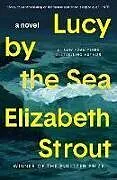
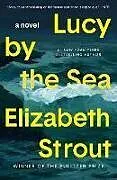
Lucy by the Sea
Beschreibung
Informationen zum Autor Elizabeth Strout is the #1 New York Times bestselling author of Lucy by the Sea; Oh William!; Olive, Again; Anything Is Possible, winner of the Story Prize; My Name Is Lucy Barton; The Burgess Boys; Olive Kitteridge, winner of the Pulit...Format auswählen
- Kartonierter EinbandCHF 11.05
- Fester EinbandCHF 19.30
- Audio CD (CD/SACD)CHF 47.50

Wird oft zusammen gekauft
Andere Kunden kauften auch
Beschreibung
Informationen zum Autor Elizabeth Strout is the #1 New York Times bestselling author of Lucy by the Sea; Oh William!; Olive, Again; Anything Is Possible, winner of the Story Prize; My Name Is Lucy Barton; The Burgess Boys; Olive Kitteridge, winner of the Pulitzer Prize; Abide with Me; and Amy and Isabelle, winner of the Los Angeles Times Art Seidenbaum Award for First Fiction and the Chicago Tribune Heartland Prize. She has also been a finalist for the PEN/Faulkner Award and the Orange Prize in London. She lives in Maine. Klappentext NEW YORK TIMES BESTSELLER • From the Pulitzer Prizewinning author of My Name is Lucy Barton and Olive Kitteridge comes a poised and moving ( Vogue ) novel about a divorced couple stuck together during lockdownand the love, loss, despair, and hope that animate us even as the world seems to be falling apart. Strout's understanding of the human condition is capacious.NPR A BEST BOOK OF THE YEAR: The New York Times Book Review, The New Yorker, Oprah Daily, Entertainment Weekly, San Francisco Chronicle, NPR, Time, The Washington Post, The Christian Science Monitor, PopSugar, She Reads With her trademark spare, crystalline prosea voice infused with intimate, fragile, desperate humanness ( The Washington Post )Elizabeth Strout turns her exquisitely tuned eye to the inner workings of the human heart, following the indomitable heroine of My Name Is Lucy Barton through the early days of the pandemic. As a panicked world goes into lockdown, Lucy Barton is uprooted from her life in Manhattan and bundled away to a small town in Maine by her ex-husband and on-again, off-again friend, William. For the next several months, it's just Lucy, William, and their complex past together in a little house nestled against the moody, swirling sea. Rich with empathy and emotion, Lucy by the Sea vividly captures the fear and struggles that come with isolation, as well as the hope, peace, and possibilities that those long, quiet days can inspire. At the heart of this story are the deep human connections that unite us even when we're apartthe pain of a beloved daughter's suffering, the emptiness that comes from the death of a loved one, the promise of a new friendship, and the comfort of an old, enduring love. Shortlisted for the Rathbones Folio Prize Leseprobe One i Like many others, I did not see it coming. But William is a scientist, and he saw it coming; he saw it sooner than I did, is what I mean. William is my first husband; we were married for twenty years and we have been divorced for about that long as well. We are friendly, I would see him intermittently; we both were living in New York City, where we came when we first married. But because my (second) husband had died and his (third) wife had left him, I had seen him more this past year. About the time his third wife left him, William found out that he had a half-sister in Maine; he found it out on an ancestry website. He had always thought he was an only child, so this was a tremendous surprise for him, and he asked me to go up to Maine for two days with him to find her, and we did, but the womanher name is Lois Bubar Well, I met her but she did not want to meet William, and this made him feel very terrible. Also, on that trip to Maine we found out things about William's mother that absolutely dismayed him. They dismayed me as well. His mother had come from unbelievable poverty, it turned out, even worse than the circumstances I had come from. The point is that two months after our little trip to Maine, William asked me to go to Grand Cayman with him, which is where we had gone with his mother, Catherine, many, many years before, and when our girls were small we wou...
Autorentext
Elizabeth Strout is the #1 New York Times bestselling author of Lucy by the Sea; Oh William!; Olive, Again; Anything Is Possible, winner of the Story Prize; My Name Is Lucy Barton; The Burgess Boys; Olive Kitteridge, winner of the Pulitzer Prize; Abide with Me; and Amy and Isabelle, winner of the Los Angeles Times Art Seidenbaum Award for First Fiction and the Chicago Tribune Heartland Prize. She has also been a finalist for the PEN/Faulkner Award and the Orange Prize in London. She lives in Maine.
Klappentext
***NEW YORK TIMES *BESTSELLER • From the Pulitzer Prize–winning author of *My Name is Lucy Barton *and Olive Kitteridge comes a “poised and moving” (Vogue) novel about a divorced couple stuck together during lockdown—and the love, loss, despair, and hope that animate us even as the world seems to be falling apart.
“Strout’s understanding of the human condition is capacious.”—NPR
**
A BEST BOOK OF THE YEAR: The New York Times Book Review, The New Yorker, Oprah Daily, Entertainment Weekly, San Francisco Chronicle, NPR, Time, The Washington Post, The Christian Science Monitor, PopSugar, She Reads**
With her trademark spare, crystalline prose—a voice infused with “intimate, fragile, desperate humanness” (The Washington Post)—Elizabeth Strout turns her exquisitely tuned eye to the inner workings of the human heart, following the indomitable heroine of My Name Is Lucy Barton through the early days of the pandemic.
As a panicked world goes into lockdown, Lucy Barton is uprooted from her life in Manhattan and bundled away to a small town in Maine by her ex-husband and on-again, off-again friend, William. For the next several months, it’s just Lucy, William, and their complex past together in a little house nestled against the moody, swirling sea.
Rich with empathy and emotion, Lucy by the Sea vividly captures the fear and struggles that come with isolation, as well as the hope, peace, and possibilities that those long, quiet days can inspire. At the heart of this story are the deep human connections that unite us even when we’re apart—the pain of a beloved daughter’s suffering, the emptiness that comes from the death of a loved one, the promise of a new friendship, and the comfort of an old, enduring love.
Shortlisted for the Rathbones Folio Prize
Leseprobe
One
i
Like many others, I did not see it coming.
But William is a scientist, and he saw it coming; he saw it sooner than I did, is what I mean.
William is my first husband; we were married for twenty years and we have been divorced for about that long as well. We are friendly, I would see him intermittently; we both were living in New York City, where we came when we first married. But because my (second) husband had died and his (third) wife had left him, I had seen him more this past year.
About the time his third wife left him, William found out that he had a half-sister in Maine; he found it out on an ancestry website. He had always thought he was an only child, so this was a tremendous surprise for him, and he asked me to go up to Maine for two days with him to find her, and we did, but the woman—her name is Lois Bubar— Well, I met her but she did not want to meet William, and this made him feel very terrible. Also, on that trip to Maine we found out things about William’s mother that absolutely dismayed him. They dismayed me as well.
His mother had come from unbelievable poverty, it turned out, even worse than the circumstances I had come from.
The point is that two months after our little trip to Maine, William asked me to go to Grand Cayman with him, which is where we had gone with his mother, Catherine, many, many years before, and when our girls were small we would go there with them and with her too. The day he came over to my apartment to ask me to go with him to Grand Cayman, he had shaved off his huge mustache and also cut his full white hair very short—and only later did I realize this must have been a result of Lois Bubar’s not …