
IHR WARENKORB IST AKTUELL LEER.
Haben Sie noch nichts passendes gefunden? Stöbern Sie durch unser komplettes Sortiment.
Oder melden Sie sich an bzw. registrieren Sie sich.
- Kostenlose Lieferung
- Kauf auf Rechnung
- Ex Libris Tiefpreis
- Filiallieferung und 650+ Abholorte
- Rabatt-Bons als Club-Mitglied
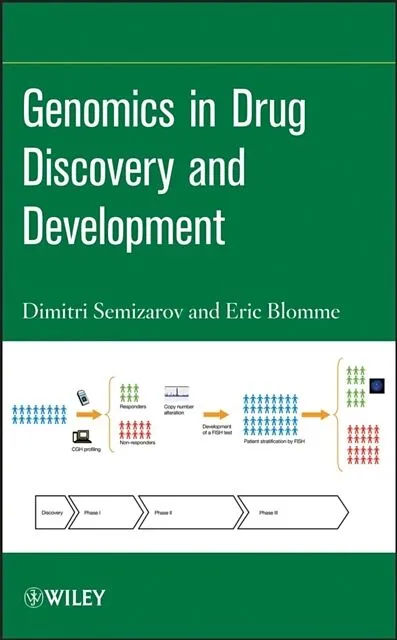
Genomics in Drug Discovery and Development
Beschreibung
Early characterization of toxicity and efficacy would significantly impact the overall productivity of pharmaceutical R&D and reduce drug candidate attrition and failure. Informationen zum Autor Dimitri Semizarov, PhD , is a Senior Group Leader in the Canc...Format auswählen
- Fester EinbandCHF 194.80
Wird oft zusammen gekauft
Andere Kunden kauften auch
Beschreibung
Early characterization of toxicity and efficacy would significantly impact the overall productivity of pharmaceutical R&D and reduce drug candidate attrition and failure.
Informationen zum Autor Dimitri Semizarov, PhD , is a Senior Group Leader in the Cancer Research Department of Abbott Laboratories' Global Pharmaceutical R&D. Dr. Semizarov leads cancer genomics research at Abbott, applying genomics technologies to enable personalization of cancer therapy. He is author or coauthor of more than twenty scientific articles and eight patent applications, as well as three book chapters (including two chapters in Wiley's Preclinical Development Handbook). Eric Blomme, DVM, PhD , Diplomate, American College of Veterinary Pathologists, is a Senior Project Leader for Cellular, Molecular, and Exploratory Toxicology in Global Pharmaceutical R&D at Abbott Laboratories. He has extensive drug discovery, toxicology, and screening experience working for Abbott, Pharmacia, Monsanto, Searle, Ohio State University, and Cornell University. Dr. Blomme has written over fifty journal articles and eight book chapters, and is a reviewer for multiple scientific journals in the fields of toxicology and pathology. Klappentext Early characterization of toxicity and efficacy would significantly impact the overall productivity of pharmaceutical R&D and reduce drug candidate attrition and failure. By describing the available platforms and weighing their relative advantages and disadvantages, including microarray data analysis, Genomics in Drug Discovery and Development introduces readers to the biomarker, pharmacogenomic, and toxicogenomics toolbox. The authors provide a valuable resource for pharmaceutical discovery scientists, preclinical drug safety department personnel, regulatory personnel, discovery toxicologists, and safety scientists, drug development professionals, and pharmaceutical scientists. Zusammenfassung Early characterization of toxicity and efficacy would significantly impact the overall productivity of pharmaceutical R&D and reduce drug candidate attrition and failure. Inhaltsverzeichnis Preface xiii 1. Introduction: Genomics and Personalized Medicine 1 Dimitri Semizarov 1.1. Fundamentals of Genomics 1 1.2. The Concept of Personalized Medicine 5 1.3. Genomics Technologies in Drug Discovery 8 1.4. Scope of This Book 13 References 20 2. Genomics Technologies as Tools in Drug Discovery 25 Dimitri Semizarov 2.1. Introduction to Genomics Technologies 25 2.2. Gene Expression Microarrays: Technology 27 2.3. Gene Expression Microarrays: Data Analysis 47 2.4. Comparative Genomic Hybridization: Technology 57 2.5. Comparative Genomic Hybridization: Data Analysis 69 2.6. Microarray-Based DNA Methylation Profiling 76 2.7. Microarray-Based MicroRNA Profiling 80 2.8. Technical Issues in Genomics Experiments and Regulatory Submissions of Microarray Data 86 2.9. Conclusion 92 References 93 3. Genomic Biomarkers 105 Dimitri Semizarov 3.1. Introduction to Genomic Biomarkers 105 3.2. DNA Biomarkers 109 3.3. RNA Biomarkers 137 3.4. Clinical Validation of Genomic Biomarkers 148 References 156 4. Fundamental Principles of Toxicogenomics 167 Eric Blomme 4.1. Introduction 167 4.2. Fundamentals of Toxicogenomics 168 4.3. Analysis of Toxicogenomics Data 176 4.4. Practical and Logistic Aspects of Toxicogenomics 191 4.5. Toxicogenomics Reference Databases 199 4.6. Conclusion 208 References 209 5. Toxicogenomics: Applications to In Vivo Toxicology 219 Eric Blomme 5.1. The Value of Toxicogenomics in Drug Discovery and Development 219 5.2. Basic Principles of Toxicology in Drug Discovery and Development 221 5.3. Toxicogenomics in Predictive Toxicology 227 5.4. Toxicogenomics in Mechanistic Toxicology 246 5.5. Toxicogenomics a...
Autorentext
Dimitri Semizarov, PhD, is a Senior Group Leader in the Cancer Research Department of Abbott Laboratories' Global Pharmaceutical R&D. Dr. Semizarov leads cancer genomics research at Abbott, applying genomics technologies to enable personalization of cancer therapy. He is author or coauthor of more than twenty scientific articles and eight patent applications, as well as three book chapters (including two chapters in Wiley's Preclinical Development Handbook). Eric Blomme, DVM, PhD, Diplomate, American College of Veterinary Pathologists, is a Senior Project Leader for Cellular, Molecular, and Exploratory Toxicology in Global Pharmaceutical R&D at Abbott Laboratories. He has extensive drug discovery, toxicology, and screening experience working for Abbott, Pharmacia, Monsanto, Searle, Ohio State University, and Cornell University. Dr. Blomme has written over fifty journal articles and eight book chapters, and is a reviewer for multiple scientific journals in the fields of toxicology and pathology.
Inhalt
Preface xiii
**1. Introduction: Genomics and Personalized Medicine 1
**Dimitri Semizarov
1.1. Fundamentals of Genomics 1
1.2. The Concept of Personalized Medicine 5
1.3. Genomics Technologies in Drug Discovery 8
1.4. Scope of This Book 13
References 20
**2. Genomics Technologies as Tools in Drug Discovery 25
**Dimitri Semizarov
2.1. Introduction to Genomics Technologies 25
2.2. Gene Expression Microarrays: Technology 27
2.3. Gene Expression Microarrays: Data Analysis 47
2.4. Comparative Genomic Hybridization: Technology 57
2.5. Comparative Genomic Hybridization: Data Analysis 69
2.6. Microarray-Based DNA Methylation Profiling 76
2.7. Microarray-Based MicroRNA Profiling 80
2.8. Technical Issues in Genomics Experiments and Regulatory Submissions of Microarray Data 86
2.9. Conclusion 92
References 93
**3. Genomic Biomarkers 105
**Dimitri Semizarov
3.1. Introduction to Genomic Biomarkers 105
3.2. DNA Biomarkers 109
3.3. RNA Biomarkers 137
3.4. Clinical Validation of Genomic Biomarkers 148
References 156
**4. Fundamental Principles of Toxicogenomics 167
**Eric Blomme
4.1. Introduction 167
4.2. Fundamentals of Toxicogenomics 168
4.3. Analysis of Toxicogenomics Data 176
4.4. Practical and Logistic Aspects of Toxicogenomics 191
4.5. Toxicogenomics Reference Databases 199
4.6. Conclusion 208
References 209
**5. Toxicogenomics: Applications to In Vivo Toxicology 219
**Eric Blomme
5.1. The Value of Toxicogenomics in Drug Discovery and Development 219
5.2. Basic Principles of Toxicology in Drug Discovery and Development 221
5.3. Toxicogenomics in Predictive Toxicology 227
5.4. Toxicogenomics in Mechanistic Toxicology 246
5.5. Toxicogenomics and Target-Related Toxicity 265
5.6. Predicting Species-Specific Toxicity 271
5.7. Evaluation of Idiosyncratic Toxicity with Toxicogenomics 273
5.8. Conclusion 277
References 279
**6. Toxicogenomics: Applications in In Vitro Systems 293
**Eric Blomme
6.1. Introductory Remarks on In Vitro Toxicology 293
6.2. Overview of Current Approaches to In Vitro Toxicology 294
6.3. Toxicogenomics in In Vitro Systems: Technical Considerations 300
6.4. Proof-of-Concept Studies using Primary Rat Hepatocytes 303
6.5. Use of Gene Expression Profiling to Assess Genotoxicity 306
6.6. Application of Gene Expression Profiling for In Vitro Detection of Phospholipidosis 309
6.7. Toxicogenomics in Assessment of Idiosyncratic Hepatotoxicity 312
6.8. Do Peripheral Blood Mononuclear Cells Represent a Useful Alternative In Vitro Model? 314
6.9. Current and Future Use of In Vitro Toxicogenomics 316
6.10. Conclusions 319
References 321
**7. Germ Line Polymorphisms and Drug Response 329
**Dimitri Semizarov
7.1. Introduction to Germ Line Polymorphisms 329
7.2. Polymorphisms and Drug Response in Oncology 332
7.4. Polymorphisms in Neuroscience 345
7.5. Polymorphisms and Drug Response in Immunology 347
7.6. Polymorphisms and Response to Antiviral Agents 353
7.7. Gene Copy Number Polymorphisms 357
7.8. Conclusion: Approaches to Identification of Polymorphisms as Predictors of Dru…