
IHR WARENKORB IST AKTUELL LEER.
Haben Sie noch nichts passendes gefunden? Stöbern Sie durch unser komplettes Sortiment.
Oder melden Sie sich an bzw. registrieren Sie sich.
- Kostenlose Lieferung
- Kauf auf Rechnung
- Ex Libris Tiefpreis
- Filiallieferung und 650+ Abholorte
- Rabatt-Bons als Club-Mitglied
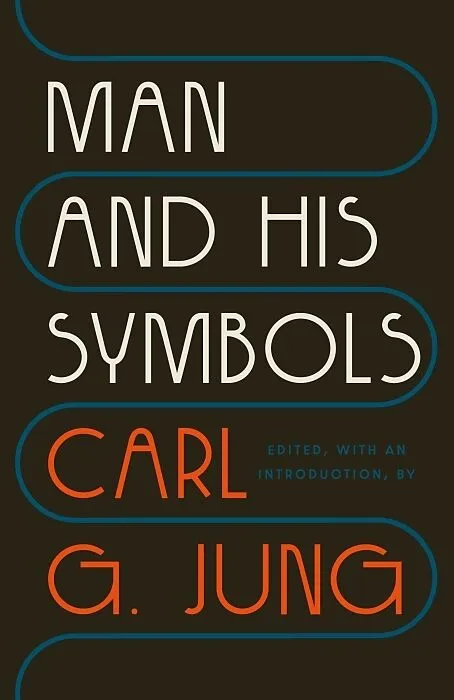
Man and His Symbols
Beschreibung
Informationen zum Autor Carl Gustav Jung (18751961) was a Swiss psychiatrist, an influential thinker, and the founder of analytical psychology (also known as Jungian psychology). Jung's radical approach to psychology has been influential in the field of psycho...Format auswählen
- Kartonierter EinbandCHF 20.45

Wird oft zusammen gekauft
Andere Kunden kauften auch
Beschreibung
Informationen zum Autor Carl Gustav Jung (18751961) was a Swiss psychiatrist, an influential thinker, and the founder of analytical psychology (also known as Jungian psychology). Jung's radical approach to psychology has been influential in the field of psychology and in countercultural movements across the globe. Jung is considered the first modern psychologist to state that the human psyche is by nature religious and to explore it in depth. His many major works include Analytic Psychology: Its Theory and Practice; Man and His Symbols; Memories, Dreams, Reflections; The Collected Works of Carl G. Jung; and The Red Book . Klappentext The landmark text about the inner workings of the unconscious mindfrom the symbolism that unlocks the meaning of our dreams to their effect on our waking lives and artistic impulsesfeaturing more than a hundred updated images that break down Carl G. Jung's revolutionary ideas What emerges with great clarity from the book is that Jung has done immense service both to psychology as a science and to our general understanding of man in society. The Guardian Our psyche is part of nature, and its enigma is limitless. Since our inception, humanity has looked to dreams for guidance. But what are they? How can we understand them? And how can we use them to shape our lives? There is perhaps no one more equipped to answer these questions than the legendary psychologist Carl G. Jung. It is in his life's work that the unconscious mind comes to be understood as an expansive, rich world just as vital and true a part of the mind as the conscious, and it is in our dreamsthose personal, integral expressions of our deepest selvesthat it communicates itself to us. A seminal text written explicitly for the general reader, Man and His Symbols is a guide to understanding our dreams and interrogating the many facets of identityour egos and our shadows, the dark side of our natures. Full of fascinating case studies and examples pulled from philosophy, history, myth, fairy tales, and more, this groundbreaking workprofusely illustrated with hundreds of visual examplesoffers invaluable insight into the symbols we dream that demand understanding, why we seek meaning at all, and how these very symbols affect our lives. Armed with the knowledge of the self and our shadow, we may build fuller, more receptive lives. By illuminating the means to examine our prejudices, interpret psychological meanings, break free of our influences, and recenter our individuality, Man and His Symbols proves to bedecades after its conceptiona revelatory, absorbing, and relevant experience. Leseprobe The importance of dreams Man uses the spoken or written word to express the meaning of what he wants to convey. His language is full of symbols, but he also often employs signs or images that are not strictly descriptive. Some are mere abbreviations or strings of initials, such as UN, UNICEF, or UNESCO; others are familiar trade marks, the names of patent medicines, badges, or insignia. Although these are meaningless in themselves, they have acquired a recognizable meaning through common usage or deliberate intent. Such things are not symbols. They are signs, and they do no more than denote the objects to which they are attached. What we call a symbol is a term, a name, or even a picture that may be familiar in daily life, yet that possesses specific connotations in addition to its conventional and obvious meaning. It implies something vague, unknown, or hidden from us. Many Cretan monuments, for instance, are marked with the design of the double adze. This is an object that we know, but we do not know its symbolic implications. For another example, take the case of the Indian who, after a visit to England, told his friends at home that the English worship animals...
Autorentext
Carl Gustav Jung (1875–1961) was a Swiss psychiatrist, an influential thinker, and the founder of analytical psychology (also known as Jungian psychology). Jung’s radical approach to psychology has been influential in the field of psychology and in countercultural movements across the globe. Jung is considered the first modern psychologist to state that the human psyche is “by nature religious” and to explore it in depth. His many major works include Analytic Psychology: Its Theory and Practice; Man and His Symbols; Memories, Dreams, Reflections; The Collected Works of Carl G. Jung; and The Red Book.
Klappentext
The landmark text about the inner workings of the unconscious mind—from the symbolism that unlocks the meaning of our dreams to their effect on our waking lives and artistic impulses—featuring more than a hundred updated images that break down Carl G. Jung’s revolutionary ideas
“What emerges with great clarity from the book is that Jung has done immense service both to psychology as a science and to our general understanding of man in society.”—The Guardian
“Our psyche is part of nature, and its enigma is limitless.”
Since our inception, humanity has looked to dreams for guidance. But what are they? How can we understand them? And how can we use them to shape our lives?
There is perhaps no one more equipped to answer these questions than the legendary psychologist Carl G. Jung. It is in his life’s work that the unconscious mind comes to be understood as an expansive, rich world just as vital and true a part of the mind as the conscious, and it is in our dreams—those personal, integral expressions of our deepest selves—that it communicates itself to us.
*
*A seminal text written explicitly for the general reader, Man and His Symbols is a guide to understanding our dreams and interrogating the many facets of identity—our egos and our shadows, “the dark side of our natures.” Full of fascinating case studies and examples pulled from philosophy, history, myth, fairy tales, and more, this groundbreaking work—profusely illustrated with hundreds of visual examples—offers invaluable insight into the symbols we dream that demand understanding, why we seek meaning at all, and how these very symbols affect our lives. Armed with the knowledge of the self and our shadow, we may build fuller, more receptive lives.
By illuminating the means to examine our prejudices, interpret psychological meanings, break free of our influences, and recenter our individuality, Man and His Symbols proves to be—decades after its conception—a revelatory, absorbing, and relevant experience.