
IHR WARENKORB IST AKTUELL LEER.
Haben Sie noch nichts passendes gefunden? Stöbern Sie durch unser komplettes Sortiment.
Oder melden Sie sich an bzw. registrieren Sie sich.
- Kostenlose Lieferung
- Kauf auf Rechnung
- Ex Libris Tiefpreis
- Filiallieferung und 650+ Abholorte
- Rabatt-Bons als Club-Mitglied
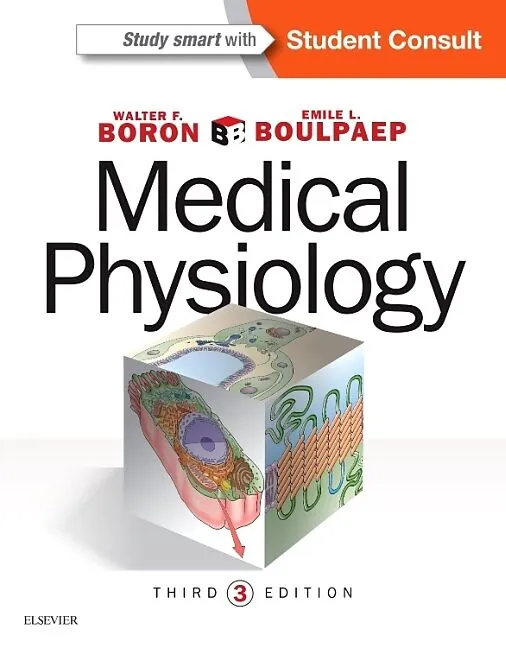
Medical Physiology
Beschreibung
Klappentext For a comprehensive understanding of human physiology - from molecules to systems -turn to the latest edition of Medical Physiology. This updated textbook is known for its unparalleled depth of information, equipping students with a solid foundatio...Format auswählen
- Fester EinbandCHF 138.00
Wird oft zusammen gekauft
Andere Kunden kauften auch
Beschreibung
Klappentext For a comprehensive understanding of human physiology - from molecules to systems -turn to the latest edition of Medical Physiology. This updated textbook is known for its unparalleled depth of information, equipping students with a solid foundation for a future in medicine and healthcare, and providing clinical and research professionals with a reliable go-to reference. Complex concepts are presented in a clear , concise , and logically organized format to further facilitate understanding and retention. Clear, didactic illustrations visually present processes in a clear, concise manner that is easy to understand Intuitive organization and consistent writing style facilitates navigation and comprehensionTakes a strong molecular and cellular approach that relates these concepts to human physiology and disease Student Consult eBook version included with purchase. This enhanced eBook experience includes access -- on a variety of devices -- to the complete text with thorough hyperlinking, images, 10 animations, and copious linkout notes prepared by the Editors An increased number of clinical correlations provides a better understanding of the practical applications of physiology in medicineHighlights new breakthroughs in molecular and cellular processes , such as the role of epigenetics, necroptosis, and ion channels in physiologic processes, to give insights into human development, growth, and disease Several new authors offer fresh perspectives in many key sections of the text, and meticulous editing makes this multi-authored resource read with one unified voice Inhaltsverzeichnis I Introduction 1. Foundations of Physiology II Physiology of Cells and Molecules 2. Functional Organization of the Cell 3. Signal Transduction 4. Regulation of Gene Expression 5. Transport of Solutes and Water 6. Electrophysiology of the Cell Membrane 7. Electrical Excitability and Action Potentials 8. Synaptic Transmission and the Neuromuscular Junction 9. Cellular Physiology of Skeletal, Cardiac, and Smooth Muscle III The Nervous System 10. Organization of the Nervous System 11. The Neuronal Microenvironment 12. Physiology of Neurons 13. Synaptic Transmission in the Nervous System 14. The Autonomic Nervous System 15. Sensory Transduction 16. Circuits of the Central Nervous System IV The Cardiovascular System 17. Organization of the Cardiovascular System 18. Blood 19. Arteries and Veins 20. The Microcirculation 21. Cardiac Electrophysiology and the Electrocardiogram 22. The Heart As a Pump 23. Regulation of Arterial Pressure and Cardiac Output 24. Special Circulations 25. Integrated Control of the Cardiovascular System V The Respiratory System 26. Organization of the Respiratory System 27. Mechanics of Ventilation 28. Acid-Base Physiology 29. Transport of Oxygen and Carbon Dioxide In the Blood 30. Gas Exchange in the Lung 31. Ventilation and Perfusion of the Lungs 32. Control of Ventilation VI The Urinary System 33. Organization of the Urinary System 34. Glomerular Filtration and Renal Blood Flow 35. Transport of Sodium and Chloride 36. Transport of Urea, Glucose, Phosphate, Calcium, Magnesium, and Organic Solutes 37. Transport of Potassium 38. Urine Concentration and Dilution 39. Transport of Acids and Bases 40. Integration of Salt and Water Balance VII The Gastrointestinal System 41. Organization of the Gastrointestinal System 42. Gastric Function 43. Pancreatic and Salivary Glands 44. Intestinal Fluid and Electrolyte Movement 45. Nutrient Digestion and Absorption 46. Hepatobiliary Function VIII The Endocrine System 47. Organization of Endocrine Control ...
Klappentext
Selected for 2026 Doody's Core Titles in Physiology
For a comprehensive understanding of human physiology - from molecules to systems -turn to the latest edition of** Medical Physiology.** This updated textbook is known for its unparalleled depth of information, equipping students with a solid foundation for a future in medicine and healthcare, and providing clinical and research professionals with a reliable go-to reference. Complex concepts are presented in a clear, concise, and logically organized format to further facilitate understanding and retention.
Clear, didactic illustrations visually present processes in a clear, concise manner that is easy to understand
Intuitive organization and consistent writing style facilitates navigation and comprehension
Takes a strong molecular and cellular approach that relates these concepts to human physiology and disease
Student Consult eBook version included with purchase. This enhanced eBook experience includes access -- on a variety of devices -- to the complete text with thorough hyperlinking, images, 10 animations, and copious linkout notes prepared by the Editors
An increased number of clinical correlations provides a better understanding of the practical applications of physiology in medicine
Highlights new breakthroughs in molecular and cellular processes, such as the role of epigenetics, necroptosis, and ion channels in physiologic processes, to give insights into human development, growth, and disease
Several new authors offer fresh perspectives in many key sections of the text, and meticulous editing makes this multi-authored resource read with one unified voice
Inhalt
I Introduction
- Foundations of Physiology
II Physiology of Cells and Molecules
2. Functional Organization of the Cell
3. Signal Transduction
4. Regulation of Gene Expression
5. Transport of Solutes and Water
6. Electrophysiology of the Cell Membrane
7. Electrical Excitability and Action Potentials
8. Synaptic Transmission and the Neuromuscular Junction
9. Cellular Physiology of Skeletal, Cardiac, and Smooth Muscle
III The Nervous System
10. Organization of the Nervous System
11. The Neuronal Microenvironment
12. Physiology of Neurons
13. Synaptic Transmission in the Nervous System
14. The Autonomic Nervous System
15. Sensory Transduction
16. Circuits of the Central Nervous System
IV The Cardiovascular System
17. Organization of the Cardiovascular System
18. Blood
19. Arteries and Veins
20. The Microcirculation
21. Cardiac Electrophysiology and the Electrocardiogram
22. The Heart As a Pump
23. Regulation of Arterial Pressure and Cardiac Output
24. Special Circulations
25. Integrated Control of the Cardiovascular System
V The Respiratory System
26. Organization of the Respiratory System
27. Mechanics of Ventilation
28. Acid-Base Physiology
29. Transport of Oxygen and Carbon Dioxide In the Blood
30. Gas Exchange in the Lung
31. Ventilation and Perfusion of the Lungs
32. Control of Ventilation
VI The Urinary System
33. Organization of the Urinary System
34. Glomerular Filtration and Renal Blood Flow
35. Transport of Sodium and Chloride
36. Transport of Urea, Glucose, Phosphate, Calcium, Magnesium, and Organic Solutes
37. Transport of Potassium
38. Urine Concentration and Dilution
39. Transport of Acids and Bases
40. Integration of Salt and Water Balance
VII The Gastrointestinal System
41. Organization of the Gastrointestinal System
42. Gastric Function
43. Pancreatic and Salivary Glands
44. Intestinal Fluid and Electrolyte Movement
45. Nutrient Digestion and Absorption
46. Hepatobiliary Function
VIII The Endocrine System
47. Organization of Endocrine Control
48. Endocrine Regulation of Growth and Body Mass
49. The Thyroid Gland
50. The Adrenal Gland
51. The Endocrine Pancreas
52. The Parathyroid Glands and Vitamin D
IX The Reproductive System
53. Sexual Differentiation
54. The Male Reproductive System
55. The Female Reproductive System
56. Fertilization, Pregnancy, and Lactation
57. Fetal and Neonatal Physiology
X Physiology of Cells and Molecules
58. Metabolis…