Beschreibung
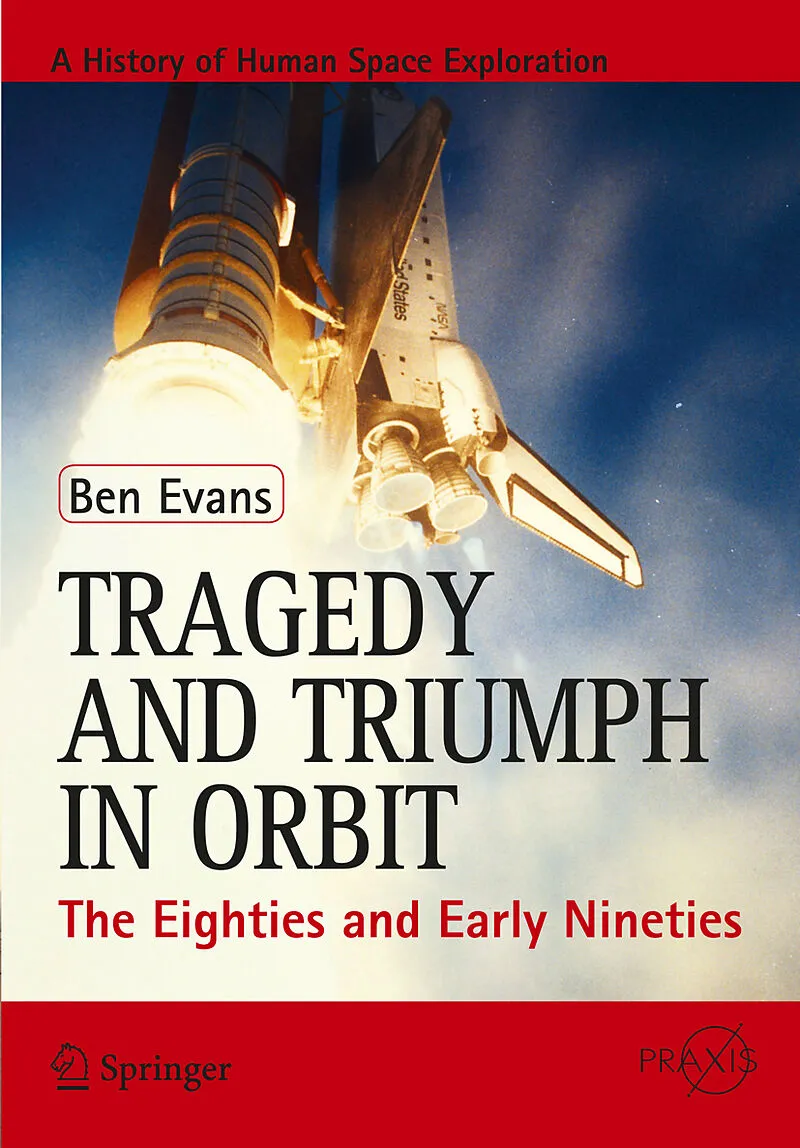
This book explores the rivalry between the United States and the Soviet Union during the 1980s and early 1990s, with each attempting to outdo the other - the Americans keen to build a space station, the Soviets keen to build a space shuttle. April 12, 2011 is ...This book explores the rivalry between the United States and the Soviet Union during the 1980s and early 1990s, with each attempting to outdo the other - the Americans keen to build a space station, the Soviets keen to build a space shuttle.
April 12, 2011 is the 50th anniversary of Yuri Gagarin's pioneering journey into space. To commemorate this momentous achievement, Springer-Praxis is producing a mini series of books that reveals how humanity's knowledge of flying, working, and living in space has grown in the last half century.
Tragedy and Triumph focuses on the 1980s and early 1990s, a time when relations between the United States and the Soviet Union swung like a pendulum between harmony and outright hostility. The glorious achievements of the shuttle were violently arrested by the devastating loss of Challenger in 1986, while the Soviet program appeared to prosper with the last Salyut and the next-generation Mir orbital station. This book explores the continued rivalry between the two superpowers during this period, with each attempting to outdo the other the Americans keen to build a space station, the Soviets keen to build a space shuttle and places their efforts in the context of a bitterly divisive decade, which ultimately led them into partnership.
Continues the History of the Human Space Exploration miniseries by Evans, which commemorates over 50 years of humans in space Explores the continued rivalry between the two superpowers during the Eighties to the early Nineties Sets the human space program in its political, historical, and cultural setting Offers a comprehensive, stand-alone survey of a significant portion of the human space story Includes supplementary material: sn.pub/extras
Autorentext
Ben Evans is an accomplished and experienced space writer ideally qualified to chronicle the epic story of human space exploration. In addition to writing five books for Springer/Praxis, including the first book in this series: Escaping the Bonds of Earth: The Fifties and Sixties (2009), Foothold in the Heavens The Seventies (2010), and the most recent At Home in Space (2011). He has published numerous space and astronomy related articles in such journals as Spaceflight, Countdown, and Astronomy Now.
Klappentext
April 12, 2011, was the 50th anniversary of Yuri Gagarin's pioneering journey into space. To commemorate this momentous achievement, Springer-Praxis is producing a mini series of books that reveals how humanity's knowledge of flying, working, and living in space has grown in the last half century.
Tragedy and Triumph in Orbit, the fourth book in the series, explores the tumultuous events of the 1980s and the beginning of the 1990s, a time when a reinvigorated Cold War between the United States and the Soviet Union bred further distrust and intense competition between the two old foes. As the Shuttle sought to fulfill its mandate of regular, routine access to space, a fatal Achilles heel in the system remained undetected until, one freezing January day in 1986, it made itself known with horrifying suddenness on millions of television screens across the world.
Systemic flaws, and the urgent need to resolve them, led to several years of introspection, while the Soviet program seemed to prosper and cosmonauts spent longer periods in space than ever before. By the end of the 1980s, a pair of Soviet success masked political changes on the ground, changes which would dramatically turn a once-proud human space program into a mere shadow of what it was. The consequence would be a rocky road to an unlikely partnership.
Inhalt
Illustrations.- Author's Preface.- Acknowledgements.- Chapter 1: "We deliver".- Chapter 2: A final Soviet salute.- Chapter 3: An age of innocence.- Chapter 4: Road to Peace.- Chapter 5: New beginnings.- Bibliography.- Index.