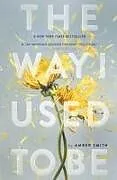
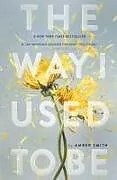
The Way I Used to Be
Beschreibung
Zusatztext A heart-twisting! but ultimately hopeful! exploration of how pain can lead to strength. Informationen zum Autor Amber Smith is the New York Times, USA TODAY, and internationally bestselling author of the young adult novels The Way I Used to Be, The ...Format auswählen
- Kartonierter EinbandCHF 16.00
- Fester EinbandCHF 22.70
- Fester EinbandCHF 30.00

Wird oft zusammen gekauft
Andere Kunden kauften auch
Beschreibung
Zusatztext A heart-twisting! but ultimately hopeful! exploration of how pain can lead to strength. Informationen zum Autor Amber Smith is the New York Times, USA TODAY, and internationally bestselling author of the young adult novels The Way I Used to Be, The Last to Let Go, Something Like Gravity, Fade into You, and The Way I Am Now. An advocate for increased awareness of gendered violence and LGBTQIA+ equality, she writes in the hope that her books can help foster change and spark dialogue. She lives in Ithaca, New York, with her wife and coauthor, Sam Gellar, and their ever-growing family of rescued dogs and cats. You can find her online at AmberSmithAuthor.com. Klappentext New York Times bestseller! In the tradition of Speak, Amber Smith's extraordinary debut novel is a heart-twisting, but ultimately hopeful, exploration of how pain can lead to strength (The Boston Globe).Eden was always good at being good. Starting high school didn't change who she was. But the night her brother's best friend rapes her, Eden's world capsizes. What was once simple, is now complex. What Eden once lovedwho she once lovedshe now hates. What she thought she knew to be true, is now lies. Nothing makes sense anymore, and she knows she's supposed to tell someone what happened but she can't. So she buries it instead. And she buries the way she used to be. Told in four partsfreshman, sophomore, junior, and senior yearthis provocative debut reveals the deep cuts of trauma. But it also demonstrates one young woman's strength as she navigates the disappointment and unbearable pains of adolescence, of first love and first heartbreak, of friendships broken and rebuilt, all while learning to embrace the power of survival she never knew she had hidden within her heart. Leseprobe The Way I Used to Be I DON'T KNOW A LOT of things. I don't know why I didn't hear the door click shut. Why I didn't lock the damn door to begin with. Or why it didn't register that something was wrongso mercilessly wrongwhen I felt the mattress shift under his weight. Why I didn't scream when I opened my eyes and saw him crawling between my sheets. Or why I didn't try to fight him when I still stood a chance. I don't know how long I lay there afterward, telling myself: Squeeze your eyelids shut, try, just try to forget. Try to ignore all the things that didn't feel right, all the things that felt like they would never feel right again. Ignore the taste in your mouth, the sticky dampness of the sheets, the fire radiating through your thighs, the nauseating painthis bulletlike thing that ripped through you and got lodged in your gut somehow. No, can't cry. Because there's nothing to cry about. Because it was just a dream, a bad dreama nightmare. Not real. Not real. Not real. That's what I keep thinking: NotRealNotRealNotReal. Repeat, repeat, repeat. Like a mantra. Like a prayer. I don't know that these images flashing through my minda movie of someone else, somewhere elsewill never really go away, will never ever stop playing, will never stop haunting me. I close my eyes again, but it's all I can see, all I can feel, all I can hear: his skin, his arms, his legs, his hands too strong, his breath on me, muscles stretching, bones cracking, body breaking, me getting weaker, fading. These thingsit's all there is. I don't know how many hours pass before I awake to the usual Sunday morning clamorpots and pans clanging against the stove. Food smells seeping under my doorbacon, pancakes, Mom's coffee. TV soundscold fronts and storm systems moving through the area by middayDad's weather channel. Dishwasher-running sounds. Yippy yappy dog across the street yips and yaps at probably nothing, as always. And then there's the almost imperceptible rhythm of a basketball bouncing against the dewy black...
ldquo;A heart-twisting, but ultimately hopeful, exploration of how pain can lead to strength.”
Autorentext
Amber Smith is the New York Times, USA TODAY, and internationally bestselling author of the young adult novels The Way I Used to Be, The Last to Let Go, Something Like Gravity, Fade into You, and The Way I Am Now. An advocate for increased awareness of gendered violence and LGBTQIA+ equality, she writes in the hope that her books can help foster change and spark dialogue. She lives in Ithaca, New York, with her wife and coauthor, Sam Gellar, and their ever-growing family of rescued dogs and cats. You can find her online at AmberSmithAuthor.com.
Klappentext
**New York Times bestseller! In the tradition of Speak, Amber Smith's extraordinary debut novel “**is a heart-twisting, but ultimately hopeful, exploration of how pain can lead to strength” (The Boston Globe).
Eden was always good at being good. Starting high school didn’t change who she was. But the night her brother’s best friend rapes her, Eden’s world capsizes.
What was once simple, is now complex. What Eden once loved—who she once loved—she now hates. What she thought she knew to be true, is now lies. Nothing makes sense anymore, and she knows she’s supposed to tell someone what happened but she can’t. So she buries it instead. And she buries the way she used to be.
Told in four parts—freshman, sophomore, junior, and senior year—this provocative debut reveals the deep cuts of trauma. But it also demonstrates one young woman’s strength as she navigates the disappointment and unbearable pains of adolescence, of first love and first heartbreak, of friendships broken and rebuilt, all while learning to embrace the power of survival she never knew she had hidden within her heart.
Zusammenfassung
A New York Times bestseller.
In the tradition of Speak, this extraordinary debut novel “is a poignant book that realistically looks at the lasting effects of trauma on love, relationships, and life” (School Library Journal, starred review).
Eden was always good at being good. Starting high school didn’t change who she was. But the night her brother’s best friend rapes her, Eden’s world capsizes.
What was once simple, is now complex. What Eden once loved—who she once loved—she now hates. What she thought she knew to be true, is now lies. Nothing makes sense anymore, and she knows she’s supposed to tell someone what happened but she can’t. So she buries it instead. And she buries the way she used to be.
Told in four parts—freshman, sophomore, junior, and senior year—this provocative debut reveals the deep cuts of trauma. But it also demonstrates one young woman’s strength as she navigates the disappointment and unbearable pains of adolescence, of first love and first heartbreak, of friendships broken and rebuilt, all while learning to embrace the power of survival she never knew she had hidden within her heart.
Leseprobe
The Way I Used to Be
I DON’T KNOW A LOT of things. I don’t know why I didn’t hear the door click shut. Why I didn’t lock the damn door to begin with. Or why it didn’t register that something was wrong—so mercilessly wrong—when I felt the mattress shift under his weight. Why I didn’t scream when I opened my eyes and saw him crawling between my sheets. Or why I didn’t try to fight him when I still stood a chance.
I don’t know how long I lay there afterward, telling myself: Squeeze your eyelids shut, try, just try to forget. Try to ignore all the things that didn’t feel right, all the things that felt like they would never feel right again. Ignore the taste in your mouth, the sticky dampness of the sheets, the fire radiating through your thighs, the nauseating pain—this bulletlike thing that ripped through you and got lodged in your gut somehow. No, can’t cry. Because there’s nothing to cry ab…