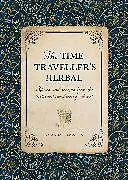
The Time Traveller's Herbal
Beschreibung
Vorwort Provides tips and guidance from a trained herbalist and storyteller, combining the two to form an engaging and informative narrative and - most importantly - safe recipes. Autorentext Amanda Edmiston is a herbalist and storyteller based in Scotland. Sh...Format auswählen
- Fester EinbandCHF 32.30

Wird oft zusammen gekauft
Andere Kunden kauften auch
Beschreibung
Vorwort
Provides tips and guidance from a trained herbalist and storyteller, combining the two to form an engaging and informative narrative and - most importantly - safe recipes.
Autorentext
Amanda Edmiston is a herbalist and storyteller based in Scotland. She first learnt about plants and recipes from her grandmother who still remembered traditional remedies and folklore. After studying law and then herbal medicine, Amanda found it natural to start bringing together stories, plants, and magical places, drawing on the Scottish storytelling tradition, but in her own unique way. She has been showcasing her own work for over 10 years, performing and creating art in museums, libraries, forests, castles, schools and universities around the world under the banner Botanica Fabula.
Klappentext
A practical guide to making 24 recipes used by traditional European herbalists throughout the ages, with the history and stories of the skills and crafts woven through.
Zusammenfassung
A practical guide to making over 25 recipes used by traditional European herbalists throughout the ages, with the history and stories of the skills and crafts woven through.
Leseprobe
I first learnt about plants from my mum and my gran, and my grandad, a sculptor, told me stories whilst he carved in his studio. My mum has been a professional storyteller for over thirty years, but my own journey really began when I found myself a single parent with my eldest child, who was just a few months old at the time. (This was a few years before I met my wonderful partner who officially became her dad.) Having ‘officially’ studied herbal medicine before becoming pregnant, I knew I didn’t want to go into clinical practice. I wanted somehow to share my excitement about plants and the incredible way they could influence our health, the important roles they played in the fabric of our lives and how they connect us. I’ve collected social history surrounding plant use by researching archives and talking to folk, usually as part of intergenerational projects. I’ve followed trails of legends and plant-lore, gathered stories and asked questions in gardens and museums. I’ve been lucky enough to have created work for some wonderful places and met some incredible and fascinating people. And all the while I’ve been playing with plants and finding ways of sharing their stories. A lot of the stories I tell take the form of a fairy tale or legend, sometimes traditional, sometimes new but following a traditional form. I then weave in the social histories I’ve heard, with the research and plantlore. Sometimes I find snippets of folklore and feel there is a lost story there somewhere and ‘story-mend’ it, embellishing it to keep it alive for new audiences, or tweaking things – as oral storytellers always have – to allow the stories to grow and stay relevant. The Time Traveller’s Herbal is a written reflection of my practice, a combination of all these things. The folklore entwined into the narrative is ‘real folklore’, carefully researched traditions and spoken word charms associated with places and plants for centuries, and practiced in the eras we will travel through as this book unfolds. The places are real. The social history and time periods have been carefully considered. I just like to set things in a story, because stories are part of our lives. The stories you will read here are accompanied by recipes you might like to try: ones that relate to the historical period or offer a taste of the plants in the stories – sensory elements that bring the stories to life. There are legends in here too that I’ve been told since childhood, insights into some of my adventures as a travelling herbal storyteller and a look at the plants and landscapes that I’m familiar with. I hope it makes you want to sit outside, preferably somewhere that you love, and look at the plants around you, wherever you are. Dandelions growing through cracks in paving stones, or towering trees lining railway lines, or parks are as magical as meadows and mountains. I urge you to experiment with plants: dig out a good identification guide, create small things, read a good basic herbal, learn what can help and what can harm. Make notes, create pictures and stories of your own and add them to these pages, then share your stories, your recipes and pictures with someone else. Because plants and stories connect us all.