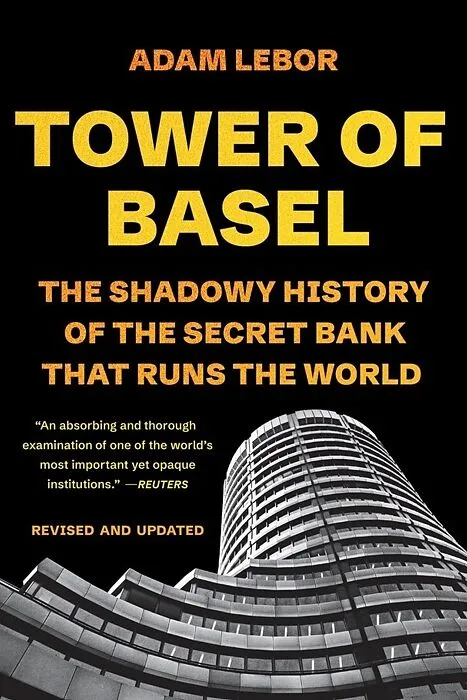

Tower of Basel
Beschreibung
Informationen zum Autor Adam LeBor?is a veteran former foreign correspondent who lived in Budapest for many years, reporting on Hungary and Central Europe for newspapers including The Times (London), The Independent, and The Economist. The author of seven nove...Format auswählen
- Kartonierter EinbandCHF 21.10

Wird oft zusammen gekauft
Andere Kunden kauften auch
Beschreibung
Informationen zum Autor Adam LeBor?is a veteran former foreign correspondent who lived in Budapest for many years, reporting on Hungary and Central Europe for newspapers including The Times (London), The Independent, and The Economist. The author of seven novels and nine works of nonfiction, he also writes for Financial Times and The Critic. He divides his time between London and Budapest. Klappentext An absorbing and thorough examination of the Bank for International Settlements, one of the world's most important yet opaque institutions (Reuters) The Bank for International Settlements is the bank for central banks. It is one of the world's most secretiveand most influentialglobal financial institutions. Created by the governors of the Bank of England and the Reichsbank in 1930 and protected by an international treaty, the BIS and its assets are untouchable, legally beyond the reach of any government or jurisdiction. In the 1940s, under the supervision of an American banker, the BIS accepted looted Nazi gold, conducted deals for the Reichsbank, and was used by both the Allies and the Axis powers as a secret contact point to keep the channels of international finance open. Now updated with two new chapters on the BIS's role in the development of Central Bank Digital Currencies and their disturbing implications for civil liberties and personal financial autonomy, Tower of Basel offers an incisive and enthralling picture of one of the most powerful financial organizations to ever exist. Zusammenfassung An absorbing and thorough examination of the Bank for International Settlements, one of the world's most important yet opaque institutions (Reuters) The Bank for International Settlements is the bank for central banks. It is one of the world's most secretiveand most influentialglobal financial institutions. Created by the governors of the Bank of England and the Reichsbank in 1930 and protected by an international treaty, the BIS and its assets are untouchable, legally beyond the reach of any government or jurisdiction. In the 1940s, under the supervision of an American banker, the BIS accepted looted Nazi gold, conducted deals for the Reichsbank, and was used by both the Allies and the Axis powers as a secret contact point to keep the channels of international finance open. Now updated with two new chapters on the BIS's role in the development of Central Bank Digital Currencies and their disturbing implications for civil liberties and personal financial autonomy, Tower of Basel offers an incisive and enthralling picture of one of the most powerful financial organizations to ever exist....
Autorentext
Adam LeBor is a veteran former foreign correspondent who lived in Budapest for many years, reporting on Hungary and Central Europe for newspapers including The Times (London), The Independent, and The Economist. The author of seven novels and nine works of nonfiction, he also writes for Financial Times and The Critic. He divides his time between London and Budapest.
Klappentext
“An absorbing and thorough examination” of the Bank for International Settlements, “one of the world’s most important yet opaque institutions” (Reuters)
The Bank for International Settlements is the bank for central banks. It is one of the world’s most secretive—and most influential—global financial institutions. 
 
Created by the governors of the Bank of England and the Reichsbank in 1930 and protected by an international treaty, the BIS and its assets are untouchable, legally beyond the reach of any government or jurisdiction. In the 1940s, under the supervision of an American banker, the BIS accepted looted Nazi gold, conducted deals for the Reichsbank, and was used by both the Allies and the Axis powers as a secret contact point to keep the channels of international finance open.  
 
Now updated with two new chapters on the BIS’s role in the development of Central Bank Digital Currencies and their disturbing implications for civil liberties and personal financial autonomy, Tower of Basel offers an incisive and enthralling picture of one of the most powerful financial organizations to ever exist.