Beschreibung
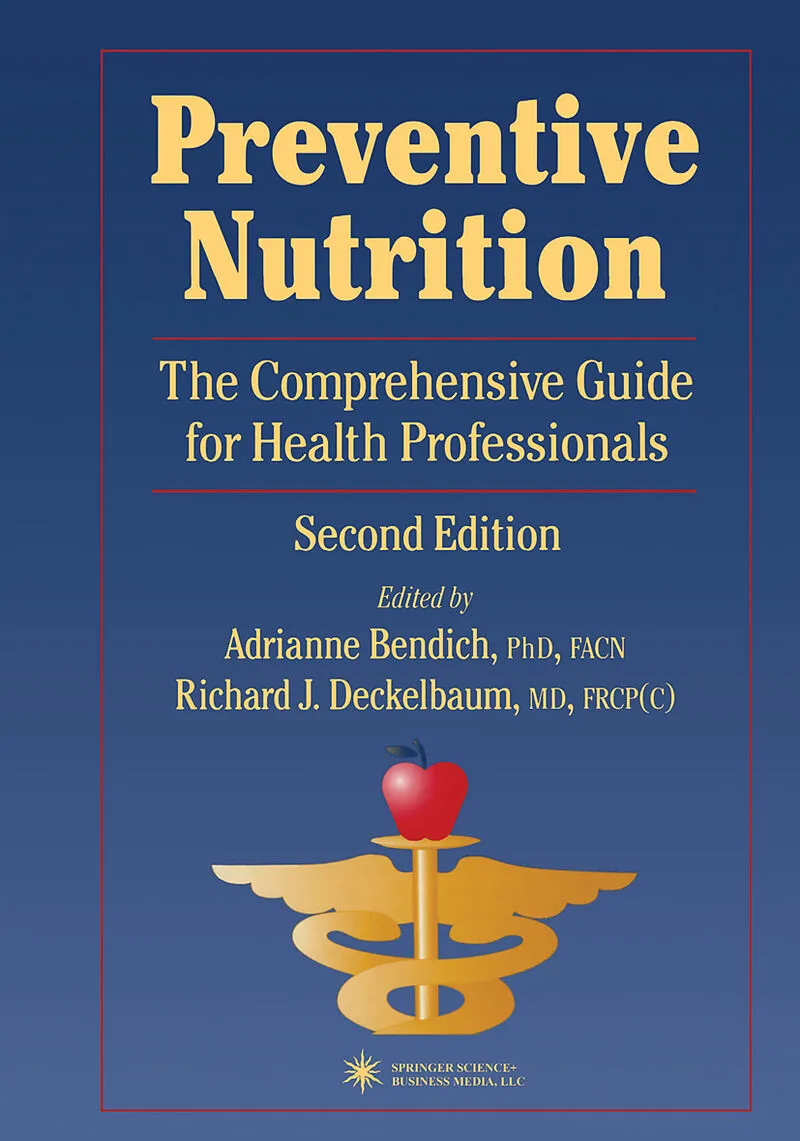
Since the widely acclaimed first edition of Preventive Nutrition: The Comprehensive Guide for Health Professionals was published in 1997, many new studies have significantly extended our understanding of the health effects of nutrition. In this richly enhance... Since the widely acclaimed first edition of Preventive Nutrition: The Comprehensive Guide for Health Professionals was published in 1997, many new studies have significantly extended our understanding of the health effects of nutrition. In this richly enhanced second edition, leading nutritionists, public health experts, and clinicians update and extend this now classic guide to improving individual health outcomes through appropriate nutrition. The new edition encompasses the broadest range of topics, from cancer and cardiovascular disease to infectious disease in children, from reproductive and prenatal nutrition to global public health nutrition strategies. Each chapter provides an overview of the field, a discussion of the author's own research and its implications, and recommendations for various patient groups based on the totality of evidence rather than on the findings of any single study.
Authoritative and readily accessible, Preventive Nutrition: The Comprehensive Guide for Health Professionals, 2nd Edn., is the most comprehensive and up-to-date textbook in the field. It provides practicing health professionals with a critical synthesis of all the newest research, demonstrating that the risk of many of the major diseases affecting middle-aged adults can be prevented, or at least delayed, with simple nutritional approaches.
Klappentext
Nutrition has been recognized as a major determinant of health for centuries. Tradi tionally, nutritional sciences have primarily targeted the prevention of diseases resulting from clinical deficiencies of essential nutrients, such as scurvy and rickets. Contempo rary nutritional research has focused on the prevention of major diseases of Western civilization, particularly cardiovascular disease and cancer, as well as promoting mater nal and child health and healthy aging. Heart disease and cancer, which were rare in most developing countries several decades ago, are increasing dramatically in these countries, in parallel with economic development and dietary transitions, decreases in infectious diseases, and increasing sedentary lifestyle and obesity. Substantial evidence indicates major chronic diseases such as coronary heart disease, type 2 diabetes, and some cancers are largely preventable by relatively simple diet and lifestyle modifications. Despite the great potential of nutrition in preventing diseases and improving health, nutrition is not routinely emphasized in the education and training of physicians and other health care professionals. This has resulted in inadequate nutritional knowledge and lack of skills in providing dietary counseling among many health care professionals. Further more, in the past decade, the public's access to nutritional information has been increas ing rapidly, particularly through the Internet. There are now hundreds of websites providing a wide range of nutritional information and selling numerous dietary products. Because of the explosion in nutritional information, the public's demand for nutritional advice has been increasing rapidly and will continue to rise.
Inhalt
Part I. Cancer Prevention Diet and Childhood Cancer: Preliminary Evidence Greta R. Bunin and Joan M. Cary Prevention of Upper Gastrointestinal Tract Cancers Elizabeth T. H. Fontham Diet and Nutrition in the Etiology and Primary Prevention of Colon Cancer Roberd M. Bostick Prevention Nutrition and Lung Cancer George W. Comstock and Kathy J. Helzlsouer Nonnutritive Components in Foods as Modifiers of the Cancer Process John A. Milner Part II. Cardiovascular Disease Dietary Fat and Coronary Heart Disease K. C. Hayes Iron and Heart Disease: A Review of the Epidemiologic Data Christopher T. Sempos, Richard F. Gillum, and Anne C. Looker Homocysteine, Folic Acid, and Cardiovascular Disease Risk Shirley A. A. Beresford and Carol J. Boushey n-3 Fatty Acids from Fish and Plants: Primary and Secondary Prevention of Cardiovascular Disease William E. Connor and Sonja L. Connor Part III. Prevention of Major Disabilities: Improvement in Health Outcomes The Relationship Between Nutritional Factors and Age-Related Macular Degeneration Shirley Hung and Johanna Seddon Osteoporosis: Minerals, Vitamins, and Other Micronutrients Robert P. Heaney Antioxidant Nutrients and Prevention of Oxidant-Mediated Diseases Ronald Anderson Micronutrients and Immunity in Older People John D. Bogden and Donald B. Louria Impact of Vitamin A on Immunity and Infection in Developing Countries Richard D. Semba Part IV. Optimal Pregnancy/Infancy Outcomes Folic Acid-Containing Multivitamins and Primary Prevention of Birth Defects Andrew E. Czeizel DNA Damage to Sperm from Micronutrient Deficiency May Increase the Risk of Birth Defects and Cancer in Offspring Craig A. Mayr, Alan A. Woodall, and Bruce N. Ames MaternalNutrition and Preterm Delivery Theresa O. Scholl Dietary Polyunsaturated Fatty Acids for Optimal Neurodevelopment: Recommendations for Perinatal Nutrition Ricardo Uauy, Patricia Mena, and Patricio Peirano Part V. Global Preventive Nutrition Strategies Effects of Western Diet on Risk Factors of Chronic Diseases in Asia Kaichi Kida, Takuo Ito, Sei Won Yang, and Vichai Tanphaichitr Potential Benefits of Preventive Nutrition Strategies: Lessons for the United States Walter C. Willett Goals for Preventive Nutrition in Developing Countries Osman M. Galal and Gail G. Harrison Part VI. Nutrition-Related Resources Books Related to Preventive Nutrition Websites of Interest